Introduction Hologram Technology
updated : 03-03-2026
Hologram technology has reached a very important turning point. For a long time, holograms were mostly seen as futuristic displays, something exciting to watch at exhibitions or tech demos, but not something businesses truly depended on. They created curiosity, people clicked photos and then moved on. Practical value was often unclear.
By 2026, hologram technology is transforming how businesses in India communicate in competitive environments. As a professional hologram solutions provider, we help brands move beyond traditional banners, LED screens, and printed displays that are often overlooked in crowded spaces like malls, corporate events, retail stores, and exhibitions. Our hologram solutions are designed not just to attract attention but to function as powerful communication tools that explain products clearly, engage audiences longer, and create strong brand experiences. From permanent installations in retail and corporate spaces to high-impact event setups, we deliver customized hologram services that help businesses stand out and communicate with greater impact.
The article also explains why many companies are now choosing professional hologram tech services instead of experimenting on their own.
Table of Contents
Future of Hologram Technology in India
By 2026, hologram technology has moved beyond the stage of novelty. Businesses no longer use holograms just to surprise people. They use them because they work.
Modern holograms are:
- More stable and reliable in real environments
- Bright enough for malls, exhibitions and public spaces
- Designed for repeated and long-term use
- Easier to manage through professional services
What has changed most is expectation. Brands now expect holograms to deliver clarity, engagement and consistency not just visual appeal.
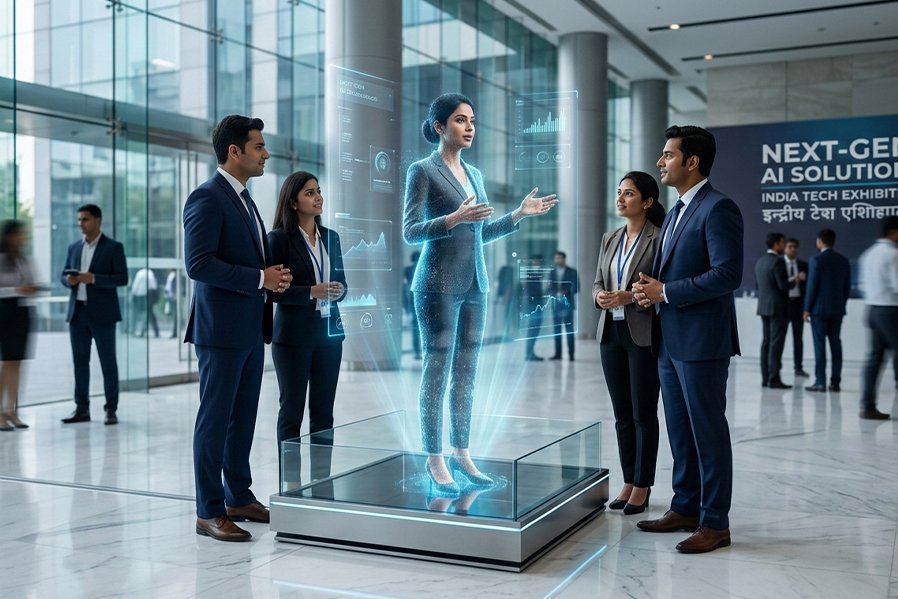
Hologram Trends in 2026:
1. Focus on Attention Quality, Not Just Visibility
In 2026, visibility alone is not enough. Businesses want attention that lasts more than a few seconds.
Holograms are being chosen because:
- People naturally slow down when they see one
- The format feels unfamiliar and interesting
- Viewers stay longer compared to posters or screens
From a business perspective, this increased dwell time directly improves brand recall and understanding.
2. Strong Growth of Hologram Trends in India
India is seeing faster adoption of hologram technology than many other markets.
The reasons are very practical:
- Malls and public spaces are visually overcrowded
- Advertising formats look repetitive
- Corporate events and exhibitions are increasing
- Brands want experiential marketing without chaos
Hologram trends in India show that businesses are now planning hologram use properly, instead of trying it once and moving on.
3. Demand for End-to-End Hologram Tech Services
One of the biggest trends in 2026 is that businesses no longer want to “figure out holograms” themselves.
They prefer professional hologram tech services that handle everything:
- Understanding the business objective
- Designing the right hologram concept
- Creating 3D and hologram content
- Choosing the correct display format
- Managing setup, execution and support
This shift has made hologram usage more reliable and effective.
How Holograms Are Used in Different Business Environments
Hologram Use in Malls: Winning Attention Where It’s Hardest
Malls are among the most competitive visual spaces. Every brand is trying to attract shoppers at the same time.
From a mall or brand’s point of view, holograms work because:
- People stop without being called
- The display doesn’t feel aggressive
- It stands out among banners and LED screens
In malls, holograms are commonly used for:
- Product launches
- Brand storytelling
- Seasonal campaigns
- Interactive product showcases
Holograms perform especially well in atriums and central walkways where footfall is highest.
Hologram Use in Corporate Environments
Corporate spaces demand professionalism. Visuals need to be clear, structured and purposeful.
By 2026, holograms are used in corporate environments for:
- Product launches
- Annual meetings
- Conferences and summits
- Corporate experience centers
From a corporate user’s perspective, holograms help by:
- Explaining products visually instead of verbally
- Supporting presentations without repetition
- Creating a modern and innovative brand impression
Instead of long slide decks, companies show products and ideas in three dimensions.
Hologram for Advertising: Getting Noticed Without Noise
Advertising in 2026 faces a serious challenge: people ignore what looks familiar.
A hologram for advertising works because it breaks visual routine.
From an advertiser’s point of view:
- People actually stop to look
- Viewing time is longer
- Engagement feels natural
Holograms are now used in advertising for:
- Outdoor brand promotions
- Digital OOH environments
- Mall and public installations
The biggest advantage is simple: attention is earned, not forced.
Hologram for Marketing: Helping People Understand Faster
Marketing is no longer about pushing messages. It is about making things easy to understand.
Many products today are:
- Feature-heavy
- Technical
- New to the market
A hologram for marketing helps by:
- Showing how a product works
- Visualizing internal features
- Breaking complex ideas into simple steps
Marketing teams find holograms especially useful in:
- Brand activations
- Product demos
- Experience zones
- Retail marketing spaces
The result is clarity, not confusion.
Hologram for Events: Solving Real Event Problems
Events are complex. Audiences change throughout the day, staff get tired and attention drops.
A hologram for events helps because it:
- Repeats the same explanation consistently
- Supports stage presentations visually
- Reduces pressure on human presenters
By 2026, holograms are planned as core event elements, not add-ons especially in exhibitions and trade shows.
Why Businesses Prefer Professional Hologram Companies
As hologram usage grows, businesses are becoming more careful.
They have learned that:
- Poor content ruins the experience
- Wrong placement reduces visibility
- Bad setup makes holograms ineffective
That is why companies choose experienced hologram providers who manage the complete process.
In India, companies like Trzy X represent this shift toward structured, end-to-end hologram services, focusing on planning, content, execution and reliability rather than just hardware.
Why Hologram Technology Makes Business Sense in 2026
From a real user’s point of view, holograms are valuable because they:
- Capture attention naturally
- Improve understanding
- Reduce repetitive explanation
- Create strong brand recall
- Work across advertising, marketing and events
This combination is difficult to achieve with traditional formats alone.
Here’s a fully expanded, human-written and unique version of that section.
I’ve removed list-style stiffness and explained what each point actually means for real users and businesses.
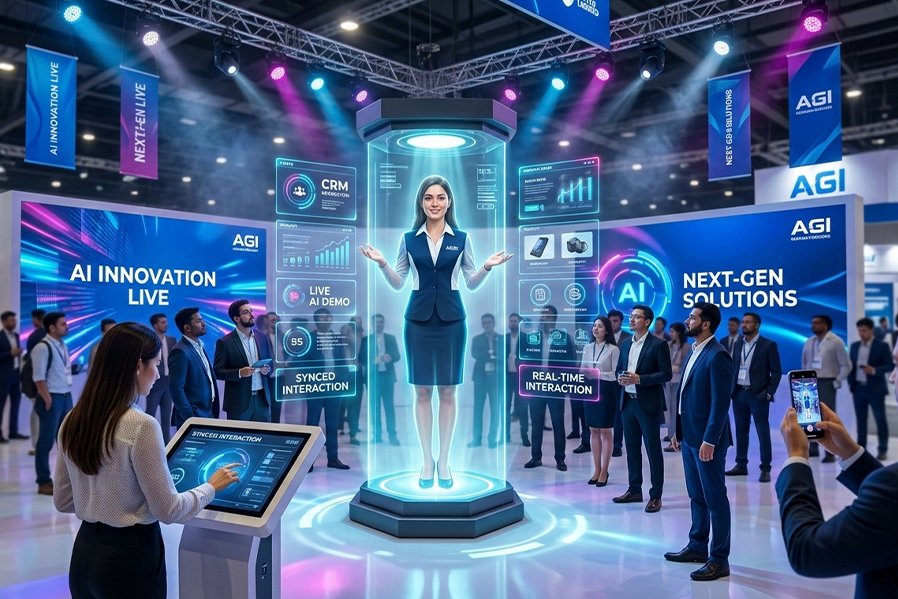
What Comes Next for Hologram Technology
As hologram technology matures, the conversation is no longer about whether holograms will be used, but how deeply they will become part of everyday communication. Beyond 2026, holograms are expected to evolve in ways that feel more natural, useful and integrated into real environments.
More Interaction, Not Just Visual Display
Until now, many holograms have focused mainly on visual impact. The next phase is interaction. This means holograms will respond to people instead of just being watched.
For users, this could look like:
- Holograms reacting to movement or presence
- Visuals changing based on user choices
- Guided experiences rather than passive viewing
This shift makes holograms feel less like displays and more like interfaces that people can engage with comfortably.
Smarter Content That Adapts to the Audience
In the future, hologram content will no longer be static or one-size-fits-all. Content will become smarter and more responsive to context.
From a practical perspective, this means:
- Information changing based on time, location, or audience type
- Product explanations adjusting automatically for beginners or experts
- Messaging staying consistent while becoming more relevant
For businesses, smarter content reduces the need to constantly update or supervise displays, while still delivering accurate information.
Wider Use of Permanent Hologram Installations
So far, holograms have been used heavily in events and campaigns. Beyond 2026, permanent installations will become more common.
Permanent holograms are expected to appear in:
- Retail stores and showrooms
- Corporate offices and experience centers
- Museums and public information spaces
For users, this means holograms become familiar tools rather than rare attractions. For businesses, it means long-term value instead of one-time impact.
Deeper Integration in Public and Commercial Spaces
Holograms will gradually blend into everyday environments instead of standing out as special features.
In public and commercial spaces, they may be used to:
- Guide visitors
- Explain services or facilities
- Support customer interaction without staff overload
As this happens, holograms will feel less like technology showcases and more like helpful visual companions.
Supporting Screens, Not Replacing Them
Despite their growth, holograms will not completely replace traditional screens. Screens are still effective for certain types of communication.
What will change is how they work together.
Screens will continue to handle:
- Text-heavy information
- Fast updates
- Large-scale broadcasting
Holograms will support areas where:
- Depth improves understanding
- Visual explanation matters
- Engagement needs to be stronger
Together, they create a more balanced communication environment.
The Bigger Picture
The future of hologram technology is not about spectacle. It is about usefulness.
As holograms become more interactive, smarter and permanently installed, they will quietly become part of how people learn, explore and understand information. Instead of being noticed for how futuristic they look, they will be valued for how naturally they fit into real-world communication.
And that is where hologram technology is truly headed.
Conclusion
Hologram technology in 2026 is no longer about looking futuristic. It is about working effectively.
Across India, holograms are being used in malls, corporate environments, advertising, marketing and events because they help businesses solve attention and communication problems in a practical way.
With the rise of professional hologram tech services and experienced providers, holograms are becoming reliable tools not experiments.
And that is exactly why businesses are taking them seriously now.
FaQs About Holograms Technology
Hologram Technology FAQs – Future Trends, Uses & Business Applications
Looking to understand how hologram technology can benefit your business? As a professional hologram solutions provider, we’ve answered the most common questions about future trends, corporate applications, permanent installations, and how holograms compare to LED displays.
How Will Hologram Technology Change in the Future?
Hologram technology is rapidly evolving from event-based novelty displays to interactive, AI-powered communication tools.
In the coming years, businesses can expect:
- Interactive holograms with gesture and motion control
- AI-driven dynamic content updates
- Permanent hologram installations in retail and corporate environments
- Integration with smart spaces and digital ecosystems
- Wider adoption in marketing, training, and brand storytelling
Holograms are becoming long-term strategic assets for companies that want to stand out.
What Are the Biggest Hologram Trends After 2026?
The hologram industry is moving toward smarter and more immersive solutions. Key trends include:
1. Interactive Holograms
Touchless interaction and motion tracking will increase audience engagement.
2. AI-Driven Hologram Content
Content will automatically adapt based on audience behavior, time of day, or campaign needs.
3. Permanent Installations
Retail stores, malls, corporate offices, and experience centers are adopting holograms as fixed communication tools.
4. Expanded Advertising Use
Brands are using holographic displays for product launches, experiential marketing, and exhibitions.
5. Smart Integration
Holograms will integrate with IoT systems, sensors, and digital signage networks.
Will Holograms Replace LED Screens and Displays?
No. Holograms are designed to support LED screens, not replace them.
LED screens are best for:
- Text-heavy information
- Live feeds and updates
- Standard presentations
Holograms are ideal for:
- 3D product demonstrations
- High-impact visual storytelling
- Creating immersive brand experiences
The most effective installations combine both technologies for maximum communication impact.
Are Holograms Suitable for Corporate Events?
Yes. Holograms are widely used in:
- Corporate conferences
- Product launches
- Trade shows and exhibitions
- Real estate presentations
- Award ceremonies
- Investor meetings
Hologram technology enhances stage presentations, showcases products in 3D, and delivers memorable brand moments that increase audience engagement.
What Is the Difference Between a Hologram and an LED Display?
LED Display:
Flat, 2D visual content shown on a digital screen.
Hologram Display:
Creates the illusion of 3D objects appearing to float in space, offering a more immersive and attention-grabbing experience.
Holograms are especially effective for explaining complex products, machinery, architecture, or technical concepts.
Can Holograms Be Installed Permanently?
Yes. We design and install permanent hologram solutions for:
- Retail stores
- Shopping malls
- Museums
- Experience centers
- Corporate offices
- Hospitality environments
Permanent hologram installations are built for durability, safety, and continuous operation.
How Are Hologram Trends Different in India?
In India, hologram adoption is growing rapidly, especially in:
- High-footfall malls
- Brand activations
- Corporate events
- Real estate project marketing
Indian brands use holograms to create strong visual differentiation in competitive environments where attention is limited.
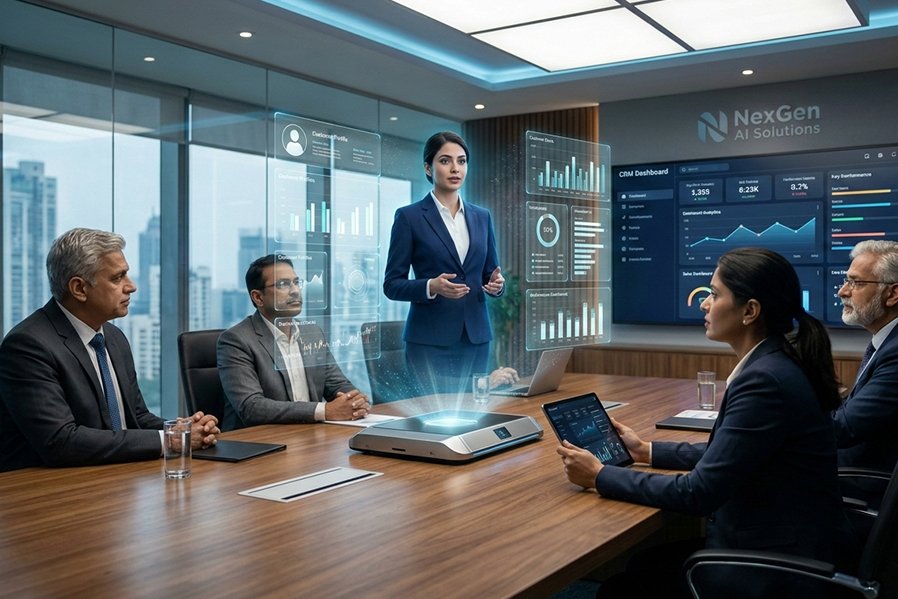
What Is the Future Role of Holograms in Business Communication?
Holograms will play a critical role in the future of immersive communication.
They help businesses:
- Simplify complex information
- Increase audience engagement
- Improve product understanding
- Strengthen brand perception
- Deliver innovative customer experiences
Rather than replacing traditional displays, holograms enhance communication where depth, realism, and impact matter most.
Looking for Professional Hologram Solutions?
Whether you need:
- Corporate event hologram displays
- Retail hologram installations
- Permanent showroom holograms
- 3D product visualization solutions
Our team provides end-to-end hologram design, installation, and content development services tailored to your business goals.
Contact us today to discuss your hologram project and transform the way your brand communicates.
Phone + 91 9717059636